Dog Grooming Albury Wodonga – Paw4paws Dog Grooming
Dog Grooming Albury Wodonga: A Comprehensive Exploration
Introduction
Welcome to an extensive delve into the world of dog grooming, specifically focusing on the region of Albury-Wodonga in Australia. This article aims to unravel the intricate practices, benefits, and developments associated with dog grooming in this dual-city metropolis, offering valuable insights for pet owners, groomers, and enthusiasts alike. By exploring various facets, from historical roots to global influences and future trends, we will uncover the significance of dog grooming as a vital aspect of responsible pet ownership and community welfare.
Understanding Dog Grooming Albury Wodonga: Unveiling the Fundamentals
Definition: Dog grooming refers to the process of caring for a canine’s physical and behavioral needs through various activities such as bathing, brushing, trimming, clipping, and styling. It involves not only maintaining hygiene but also promoting overall health, comfort, and well-being. In Albury-Wodonga, dog grooming has evolved into a dedicated practice, encompassing professional services and passionate enthusiasts who contribute to the aesthetic and behavioral enhancement of dogs.
Core Components: The primary components of dog grooming include:
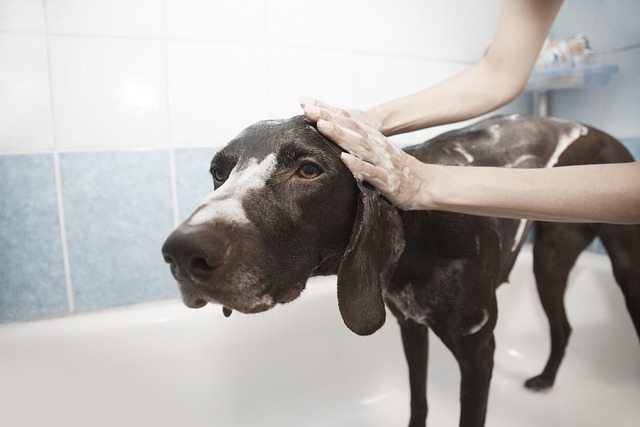
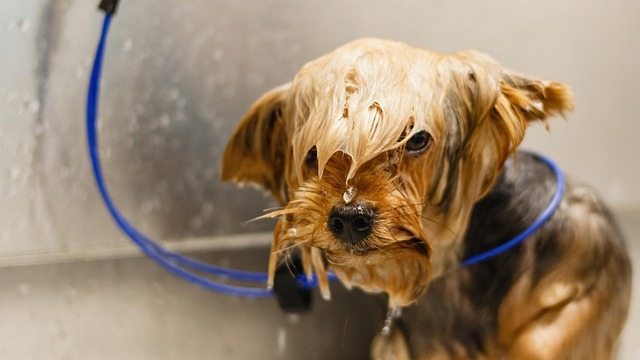
Bathing: Regular bathing removes dirt, loose hair, and odors, leaving the coat clean and healthy. It also helps in flea and tick prevention.
Brushing and Detangling: Brushing improves blood circulation, distribution of natural oils, and removal of loose hair. It is crucial for all coat types and essential for breeds with dense undercoats.
Clipping and Trimming: Shearing or clipping removes excess hair, especially in areas prone to matting. Trimming helps maintain a specific style and shape, often required for show dogs.
Nail Care: Trimming and filing nails is crucial for comfort and preventing damage to floors and furniture. It also reduces the risk of nail-related injuries.
Ear Cleaning and Checking: Regular ear care prevents infections and irritations, addressing any issues promptly.
Dental Hygiene: Brushing teeth and providing dental treats aids in maintaining oral health, reducing bad breath, and preventing periodontal diseases.
Behavioral Grooming: This involves training dogs to accept grooming procedures, enhancing their overall behavior and making future sessions easier.
Historical Context: Dog grooming has roots in ancient times when humans first domesticated dogs. Early civilizations valued clean and well-maintained coats as signs of health and care. Over centuries, specific breeds emerged with unique coat requirements, leading to the development of specialized grooming techniques. In modern times, the art of dog grooming has evolved into a professional service industry, catering to the diverse needs of canine companions across different regions, including Albury-Wodonga.
Significance: Dog grooming is not merely about aesthetics; it plays a critical role in:
Health and Hygiene: Regular grooming helps prevent skin diseases, infections, and matting, ensuring dogs remain healthy and comfortable.
Behavior Modification: Proper grooming can calm anxious dogs and make them more receptive to training.
Socialization: Visiting groomers provides social interaction for dogs, helping them become accustomed to different environments and people.
Community Engagement: Dog grooming businesses foster a sense of community, bringing pet owners together in shared interests.
Show Competition: For show dogs, proper grooming is essential for achieving top awards and maintaining breed standards.
Global Impact and Trends: A World-Wide Enthusiasm
Dog grooming has transcended geographical boundaries, becoming a global phenomenon with distinct regional variations. Albury-Wodonga’s practice is influenced by international trends while also contributing to them:
International Style Influence: Popular dog grooming styles, such as the French clip (short leg hair and longer body coat) and the American clip (shorter all over), have worldwide followers. Albury-Wodonga groomers often adapt these styles while incorporating local preferences.
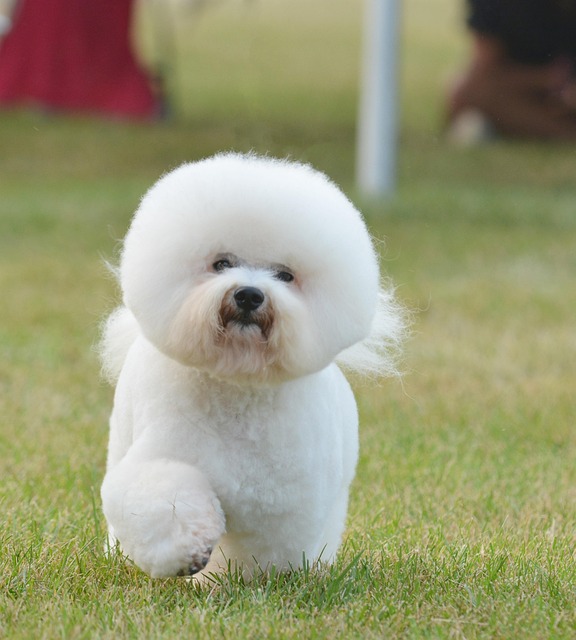
Breed-Specific Trends: Certain breeds, like Poodles and Bichon Frise, are popular worldwide due to their hypoallergenic coats. Grooming techniques for these breeds are refined and shared globally, with Albury-Wodonga groomers contributing to this knowledge base.
Sustainability Focus: There is a growing trend towards natural, eco-friendly grooming products and methods. Albury-Wodonga’s groomers embrace sustainable practices, using biodegradable shampoos and tools, reflecting global environmental concerns.
Digital Education: Online platforms and social media have revolutionized dog grooming education. Groomers in Albury-Wodonga can access international training resources and share their expertise globally through digital channels.
Economic Considerations: A Thriving Industry
The dog grooming industry in Albury-Wodonga is a significant contributor to the local economy, employing a substantial number of people and generating substantial revenue.
Market Dynamics:
Target Market: The primary customers are pet owners, including working professionals, families, and retirees. Many residents own multiple pets, increasing demand for grooming services.
Seasonality: Grooming needs vary with seasons, peaks during warmer months when dogs shed heavily, and slows down in winter.
Local vs. Chain Businesses: Albury-Wodonga boasts a mix of independent groomers and established chain salons, each offering unique services and pricing strategies.
Investment Patterns:
Startup Costs: Establishing a dog grooming business involves significant initial investment in equipment, premises, and staffing. Many entrepreneurs opt for franchising to reduce startup costs and gain brand recognition.
Revenue Streams: Services vary from basic bathing and brushing to specialized treatments, with pricing based on time, complexity, and product usage. Some groomers also sell pet products, contributing to additional revenue.
Growth Opportunities: The growing pet humanization trend drives demand for premium grooming services. Albury-Wodonga’s expanding pet-friendly infrastructure further fuels this growth.
Economic Impact:
Employment: Grooming businesses provide stable employment opportunities, contributing to the region’s economy and social fabric.
Tourism: Many visitors to Albury-Wodonga bring their pets, seeking local grooming services. This indirect contribution enhances the tourism sector.
Community Development: Successful grooming businesses often sponsor local events and charities, fostering community engagement and goodwill.
Technological Advancements: Revolutionizing the Practice
Technology has played a pivotal role in transforming dog grooming practices in Albury-Wodonga:
Online Booking and Appointment Management: Digital platforms allow groomers to accept bookings, manage schedules, and send reminders, improving efficiency and customer satisfaction.
Product Inventory Management: Software solutions help track inventory levels, monitor product expiration dates, and automate reordering, ensuring groomers always have the right products on hand.
Educational Apps and Videos: Groomers can access online tutorials and courses, staying updated with the latest techniques and trends, regardless of their location.
Health Monitoring Tools: Advanced health monitoring devices provide real-time data on a dog’s vital signs during grooming, ensuring safer and healthier procedures.
Automated Tools: From electric clippers to automated brush rollers, technology streamlines grooming tasks, increasing speed and consistency while reducing fatigue for groomers.
Customer Relationship Management (CRM) Systems: Grooming businesses can build customer databases, track service history, and send targeted marketing campaigns, fostering stronger client relationships.
Policy and Regulation: Ensuring Ethical Practice
The Albury-Wodonga dog grooming industry operates within a framework of policies and regulations designed to protect animals and ensure ethical practices:
Key Policies:
Animal Welfare Laws: These laws mandate proper care, treatment, and housing for all animals, including dogs during grooming. They cover areas such as handling, facility conditions, and staff training.
Licensing and Registration: Groomers must obtain business licenses and register their facilities with local authorities, adhering to specific standards and guidelines.
Product Safety Standards: There are strict regulations on the use of grooming products, ensuring they are safe for dogs and do not cause harm or allergic reactions.
Disinfection and Sterilization: Regular disinfection protocols must be in place to prevent the spread of diseases between animals.
Regulatory Bodies: Local councils and state veterinary authorities enforce these policies, conducting inspections and issuing penalties for non-compliance. Groomers are responsible for staying updated with changing regulations and adhering to industry best practices.
Challenges and Criticisms: Navigating Obstacles
Despite its popularity, the dog grooming industry in Albury-Wodonga faces several challenges and criticisms:
Workload and Fatigue: Manual grooming tasks can be physically demanding, leading to groomer fatigue. This may impact service quality and increase turnover rates.
Staff Shortages: Finding and retaining skilled groomers is a persistent challenge, especially with increasing demand and the need for specialized skills.
Animal Stress and Anxiety: Some dogs may experience stress or anxiety during grooming, requiring gentle handling and specific training techniques to address these issues.
Product Allergies: Despite safety standards, occasional allergies or sensitivities in dogs can lead to adverse reactions, necessitating careful product selection and client communication.
Ethical Concerns: The use of certain tools and methods, such as electric clippers, has sparked debates among animal rights activists who advocate for more natural grooming practices.
Strategic Solutions:
Training and Education: Continuous training programs can enhance groomers’ skills, improve animal handling techniques, and reduce stress for both dogs and staff.
Staff Retention Programs: Implementing fair wages, flexible schedules, and career development opportunities can attract and retain top talent.
Client Communication: Open dialogue between groomers and pet owners is crucial to understanding individual dog preferences and needs, ensuring a positive grooming experience.
Sustainable Product Choices: Offering a range of eco-friendly and hypoallergenic products caters to conscious consumers and minimizes potential allergies.
Industry Collaboration: Groomers can collaborate to share best practices, address ethical concerns, and collectively promote the well-being of dogs and groomers alike.
Case Studies: Real-World Success Stories
Case Study 1: “Pampered Pooches” – A Community Hub
In the heart of Albury, “Pampered Pooches” stands out as a successful dog grooming business that has become a community hub. Founded by Sarah Johnson, a passionate groomer, the salon offers a wide range of services tailored to diverse breed needs. Sarah’s unique approach involves:
Personalized Grooming: Each dog is treated as an individual, with grooming plans customized based on breed, age, and health status.
Community Events: “Pampered Pooches” hosts regular events like adoption drives, fundraising campaigns, and pet care workshops, engaging the local community.
Partnerships: They collaborate with nearby parks and pet supply stores, promoting a holistic pet care experience.
Sarah’s business has thrived due to her focus on customer satisfaction and community involvement. The salon boasts a loyal client base and has expanded its services to include dog training and boarding, all while maintaining high grooming standards.
Case Study 2: “Grooming with Care” – Specializing in Senior Dogs
Not all dogs have the same energy levels or health considerations. “Grooming with Care,” a niche salon in Wodonga, specializes in catering to senior dogs and their unique needs. Run by veteran groomer Mark Wilson, the business offers:
Gentle Grooming Techniques: Mark has developed specialized techniques for aging dogs, ensuring comfort and minimizing stress during grooming sessions.
Health Focus: He provides pre-and post-grooming health checks, addressing any concerns before and after the grooming process.
Client Education: Mark offers workshops on senior dog care, empowering pet owners to better understand their aging companions.
Mark’s dedication has made “Grooming with Care” a top choice for older dogs and their owners in the region. His business highlights the importance of specialized services within the broader grooming industry.
Future Prospects: Looking Ahead
The dog grooming industry in Albury-Wodonga is poised for continued growth and evolution, driven by various factors:
Emerging Trends:
Mobile Grooming Services: On-demand mobile grooming is gaining popularity, offering convenience to busy pet owners.
Natural and Organic Products: The demand for natural, chemical-free grooming products will likely rise, aligning with consumer preferences for eco-friendly options.
Digital Integration: Advanced online booking systems, virtual consultations, and remote grooming advice will become more prevalent.
Grooming as a Wellness Service: Grooming will be increasingly recognized as a wellness practice, integrating physical and mental well-being for dogs.
Growth Areas:
Specialized Services: Niche services catering to specific breeds, senior dogs, or show canines will expand, reflecting diverse needs.
Pet Care Franchises: Established grooming brands may franchise their operations, bringing standardized quality to the region while offering employment opportunities.
Community Outreach Programs: Grooming businesses can collaborate with local shelters and rescue groups, providing free or discounted services for adopted dogs.
Strategic Considerations:
Sustainability Initiatives: Groomers should embrace sustainable practices, reduce waste, and promote eco-friendly products to meet growing consumer demands.
Digital Marketing: Effective online marketing strategies will be crucial for attracting new clients and retaining existing ones in a competitive market.
Continuous Education: Staying updated with the latest grooming techniques, product innovations, and industry trends will ensure groomers remain competitive and provide high-quality services.
Conclusion: A Shining Spotlight on Dog Grooming Albury Wodonga
Dog grooming in Albury-Wodonga has evolved into a vibrant and essential component of the local community, contributing to pet welfare, economic growth, and cultural exchange. From its historical roots to its global influence, this industry showcases the dedication and skill of groomers worldwide. As trends continue to shape the landscape, the future looks bright for dog grooming Albury Wodonga, offering opportunities for innovation, expansion, and enhanced pet care.
FAQ Section: Addressing Common Queries
Q: How often should dogs be groomed?
A: The frequency depends on your dog’s breed, coat type, activity level, and overall health. Generally, short-haired dogs may need grooming every 2-3 months, while long-haired breeds require more frequent sessions (every 6-8 weeks). Regular grooming helps maintain a clean, healthy coat and prevents matting.
Q: What are the signs that my dog needs grooming?
A: Signs include excessive shedding, matted or tangled fur, bad odor, ear or skin irritations, and unkempt nails. If your dog shows any of these signs, it’s time to consider a grooming session.
Q: How can I choose the right groomer for my dog?
A: Research is key! Read reviews, ask recommendations from friends, and ensure the groomer has experience with your dog’s breed or similar coats. Schedule a consultation to discuss your dog’s needs and comfort level with the groomer.
Q: Are there any health benefits to grooming my dog?
A: Absolutely! Regular grooming promotes better skin health, improves circulation, and helps you identify any potential health issues early on. It also strengthens the bond between you and your pet.
Q: Can I learn dog grooming at home?
A: Yes, many people do learn basic grooming techniques at home to keep their pets well-maintained. However, for more complex tasks or if your dog is stressed by grooming, it’s often best to trust a professional groomer.
Paw4paws Dog Grooming naturally offers tailored care for canines of all sizes, prioritizing health and well-being. They use specialized tools and techniques based on breed, size, and individual needs, including deep conditioning, allergy shampoo…….
Choosing Paw4Paws for Dog Grooming in Albury Wodonga naturally ensures your pet's health and comfort. They offer high-quality products, expert advice, and personalized services for all breeds and coat types. Regular grooming routines, inclu…….
Dog Grooming Albury Wodonga is essential for responsible pet ownership, addressing health, hygiene, and behavioral aspects beyond cleanliness. Regular grooming prevents skin conditions, aids infection detection, reduces shedding, and strengthens…….
Dog Grooming Albury Wodonga is a vital health practice tailored to each dog's breed, age, and lifestyle. Proper tools and preparation are key for comfortable grooming. Paw4paws offers comprehensive services with expert assessment, precise t…….
Paw4Paws Dog Grooming in Albury Wodonga introduces a cage-free grooming approach prioritizing dog comfort and welfare. This method reduces stress, fosters trust between groomers and dogs, and offers personalized care, benefiting anxious or sensi…….
Paw4paws Dog Grooming naturally provides holistic, customized grooming for all canine needs. They use natural, chemical-free products and tailor plans based on coat type, age, activity, and health conditions. Services include thorough consultati…….
Paw4paws Dog Grooming provides customized grooming for all dog breeds and sizes, focusing on each pet's unique needs and personality. Their experienced professionals offer a personalized, stress-free experience with top-quality products and…….
Paw4paws Dog Grooming provides personalized, breed-specific care for all dog types and ages. Skilled groomers offer advanced techniques and top-quality products to ensure canine comfort and peak condition. Services include tailored trims, treatm…….
Paw4Paws Albury Wodonga provides reliable and personalized dog grooming services for all breeds and ages. Their mobile approach offers door-to-door convenience with expert groomers who tailor treatments to each dog's needs. Experience high-…….
Paw4Paws in Albury Wodonga offers top-tier dog grooming services with a focus on your pet's health. Skilled professionals use natural, chemical-free products and provide tailored advice to ensure your dog looks and feels their best post-gro…….
Paw4Paws is Albury Wodonga's leading dog grooming salon, offering personalized services for all breeds using top-quality products. They provide expert care, from gentle baths and conditioning to complete grooming makeovers, ensuring dogs le…….
When grooming dogs in Albury Wodonga, opt for tea tree oil shampoos from reputable brands, focusing on sensitive skin and specific conditions. Choose products with antimicrobial and antifungal properties for a healthy coat. Apply shampoo thoroug…….
Paw4paws Dog Grooming provides specialized grooming sessions for pet recovery, focusing on trauma healing and relaxation through gentle touch therapy, individual care, and gradual trust-building, treating both physical and emotional needs in a n…….
Paw4Paws offers a unique, cage-free dog grooming experience in Albury Wodonga, prioritizing pet comfort and well-being. By eliminating kennels, they create a stress-reducing environment suitable for all breeds and sizes. Their individualized app…….
Paw4Paws is Albury Wodonga's leading dog grooming service provider, offering personalized care for all breeds. Their skilled team uses gentle techniques and high-quality products to ensure every dog leaves looking and feeling its best. Serv…….
Paw4paws Dog Grooming stands out for its premium, natural products tailored to dogs with sensitive skin. Their signature oatmeal shampoo soothes irritations and allergies, leaving coats soft and shiny. Free from harsh chemicals, parabens, and sy…….
Paw4Paws in Albury Wodonga offers personalized dog grooming for all ages, from puppies to seniors. Our expert groomers provide gentle care, tailored treatments, and luxurious shampoos. We prioritize your dog's health, comfort, and well-bein…….
Paw4paws Dog Grooming offers reliable and comprehensive dog grooming services. Skilled groomers provide various treatments, from basic brush-downs to specialized care, catering to diverse coat types and preferences. Services include deep cleanin…….
Dogs in Albury Wodonga often face sensitive skin issues due to allergies and environmental factors. Hypoallergenic shampoos, free from harsh chemicals and artificial fragrances, are crucial for responsible Dog Grooming Albury Wodonga practices……..
Paw4Paws offers a unique and revolutionary Dog Grooming Albury Wodonga experience by eliminating cages, prioritizing dogs' natural instincts for social interaction and freedom. Our cage-free approach provides skilled groomers with more acce…….